"Order is the foundation upon which true liberty is built."— THE GENERALISSIMO
Introduction
Introduction
What Are Administrative Factions, Anyway?
Picture this: a sprawling digital metropolis, thousands of voices echoing through channels, memes flying faster than you can scroll, and somewhere in the chaos—order. That's not magic. That's the work of administrative factions.
In The Utility Company Discord, these factions aren't just "mods with fancy titles." They're the architects of community culture, the referees of heated debates, and occasionally, the people who have to explain why you *can't* actually rename yourself to a string of emoji. Each faction brings its own flavor to the mix—from the strategic minds handling big-picture decisions to the boots-on-the-ground heroes keeping conversations civil at 3 AM.
Think of them as the unsung conductors of a very chaotic orchestra. Without them, you'd have a lot of talented musicians playing completely different songs. With them? Symphony.
Why Should You Care About Administrative Dynamics?
Here's a dirty little secret about online communities: they live or die based on how their leadership operates. You can have the most passionate community in the world, but if your admins are fighting civil wars behind the scenes or applying rules like they're throwing darts blindfolded? It all falls apart.
Understanding how these factions work isn't just insider baseball for Discord nerds (though, hello, welcome to the club). It's actually crucial if you want to:
Navigate conflicts effectively — Knowing who handles what means knowing who to talk to when things get spicy.
Contribute meaningfully — Want to become part of the team? It helps to understand the team.
Appreciate the invisible labor — Behind every "smooth-running server" are dozens of decisions, compromises, and probably a few arguments about emoji reactions.
The factions don't just enforce rules—they *shape* the community's entire vibe. And that vibe? It's what keeps people coming back.
The Origin Story: How Factions Emerged
Every community starts simple. A few friends, a shared interest, and a Discord server with maybe three channels. Then something magical—and terrifying—happens: *growth*.
The Utility Company Discord didn't wake up one day with a fully-formed administrative structure. It evolved organically, sometimes gracefully and sometimes through the kind of trial-and-error that leaves psychological scars. As member counts climbed, the original founders faced an uncomfortable truth: they couldn't do it all themselves.
First came informal helpers. Then came moderators with actual permissions. Then came the realization that moderators needed organization, and *that* needed oversight, and suddenly you're drafting organizational charts at midnight wondering how a hobby project became a small government.
The factions emerged from necessity—different groups handling different responsibilities, developing their own cultures and approaches. Some formed around shared philosophies about moderation. Others crystallized around specific technical needs. All of them became essential threads in the fabric of the community.
What This Document Covers
You're about to embark on a deep dive into the inner workings of administrative life at The Utility Company Discord. This isn't a dry policy manual (okay, it's a *whitepaper*, but we're making it fun, promise).
We'll explore:
The Three Major Factions — Who they are, what they do, and why they occasionally disagree about everything.
Power Dynamics and Collaboration — How these groups work together (and sometimes don't) to keep the community running.
The Philosophy Behind It All — The values, principles, and hard-learned lessons that guide decision-making.
Real Challenges and Solutions — Because nothing in community management is ever as simple as it sounds.
Consider this your backstage pass to the Discord admin experience—complete with all the complexity, compromise, and occasional comedy that entails.
How We Put This Together
This document wasn't created in a vacuum. We went deep—and we mean *deep*—into understanding how administrative factions actually operate in real online communities.
Our approach combined:
Observational Research — Countless hours watching how admins interact, decide, and occasionally meme at each other in channels.
Interviews and Conversations — Real talks with people at every level of the administrative hierarchy, from fresh moderators to grizzled veterans.
Pattern Analysis — Looking for common themes, recurring challenges, and strategies that actually work (versus ones that just look good on paper).
Community Feedback — Because the people being governed have pretty important opinions about how they're governed.
The result is a document grounded in reality, not theory. Every insight here was earned through actual community experience.
Key Discoveries
After months of research, analysis, and probably too much coffee, some clear patterns emerged:
Factions are not monoliths. Each group contains multitudes—individual admins with different styles, opinions, and approaches, all working under the same banner.
Overlap is a feature, not a bug. The best administrators often belong to multiple factions or blur the lines between them. Rigid silos lead to rigid thinking.
Tension is productive (usually). Some of the best community decisions came from factions disagreeing, debating, and ultimately finding solutions that none of them would have reached alone.
Culture matters more than structure. You can have the perfect organizational chart, but if the people filling those roles don't share core values? It's just pretty shapes on a screen.
Camaraderie runs deep. Despite the debates and disagreements, there's a genuine sense of shared purpose. These people believe in the community they're building.
Practical Implications
So what does all this mean for people actually running or participating in online communities? A few things:
Define clear responsibilities, but stay flexible. People need to know their roles, but rigid boundaries create problems when situations don't fit neat categories.
Create spaces for cross-faction communication. Regular touchpoints between different administrative groups prevent silos and catch problems before they escalate.
Embrace productive disagreement. If everyone always agrees, you're probably missing something. Build cultures where respectful challenge is not just tolerated but valued.
Invest in onboarding and training. Administrative culture is transmitted through people. New admins need to understand not just the rules, but the *why* behind them.
Stay humble. No system is perfect. The best administrative factions are the ones constantly learning and adapting.
The Bigger Picture
The Utility Company Discord isn't just a server—it's a living experiment in digital governance. And the lessons learned here extend far beyond any single community.
As more of our lives move online, the question of how to organize, moderate, and govern digital spaces becomes increasingly critical. The administrative factions studied here represent one answer to that challenge—imperfect, evolving, but fundamentally *human*.
What we've learned applies to any community trying to scale while maintaining its soul: the importance of distributed leadership, the value of clear values, the necessity of balancing structure with flexibility.
The model presented here isn't meant to be copied wholesale. It's meant to inspire thinking—to show what's possible when people take community governance seriously and approach it with creativity, care, and a healthy sense of humor.
Because at the end of the day, that's what makes communities work: people who give a damn, organized in ways that let them give that damn effectively.
"Every great empire begins with people who refuse to simply follow the rules—they write better ones.
The Utility Company Discord: A Brief Overview
The Utility Company Discord: A Brief Overview
Overview
The Legend: How It All Began
Every legend has an origin story, and The Utility Company Discord is no exception. Born in 2022 from the shared passion of industrial automation enthusiasts, this server started as a humble gathering place—a digital campfire where nerds could geek out about utilities without judgment.
But here's the thing about campfires: they attract people. What began as a cozy corner of the internet evolved into something much larger—a thriving ecosystem with its own culture, traditions, and yes, administrative complexity. The transformation wasn't planned so much as *inevitable*. When you bring together enough passionate people, structure emerges out of necessity.
The factions you'll read about in this document didn't exist on day one. They crystallized over time, as different members stepped up to address different needs, and their approaches gradually formalized into the organizational structures we see today.
The Architecture: How We're Organized
Imagine a well-designed building. You've got load-bearing walls, utility systems, and spaces designed for specific purposes. The Utility Company Discord works similarly—except our beams are made of permissions and our plumbing is role hierarchies.
At the top, you'll find the founding leadership—the original architects who still hold ultimate responsibility for the server's direction. Below them, factions handle specific domains: community management, technical operations, event planning, and more. Within each faction, further tiers exist—senior members mentoring newer ones, specialists focusing on niche responsibilities.
This isn't hierarchy for hierarchy's sake. Every layer exists to solve a real problem: how do you maintain coherent governance as thousands of people interact in real-time, 24/7, across multiple time zones? The answer: distributed responsibility, clear escalation paths, and enough flexibility to adapt when situations get weird.
And trust us—situations *always* get weird eventually.
What We Stand For
Values without teeth are just vibes. The Utility Company Discord has both.
Community First — Every decision starts with a simple question: does this serve the people who call this place home? Policy debates, feature requests, rule changes—all filtered through the lens of community benefit.
Radical Transparency — Secrets breed distrust. We default to openness, explaining our decisions and welcoming feedback even when it's uncomfortable.
Professionalism Without Pretension — We take our work seriously without taking ourselves too seriously. Expect thoughtful policies *and* occasional meme breaks.
Continuous Learning — Nobody here pretends to have all the answers. We try things, evaluate results, and iterate. Failure isn't shameful—it's data.
These aren't just words on a screen. They're the lens through which every administrative action gets evaluated. Deviate from them, and you'll hear about it—from fellow admins and community members alike.
The Players: Who Makes This Work
A server is only as good as its people. Fortunately, The Utility Company Discord has some remarkably good people.
At the helm sit the server founders—individuals who've been here since the beginning and hold deep institutional knowledge. They set strategic direction and handle the decisions too consequential to delegate.
Below them, faction leaders run their respective domains with significant autonomy. These are experienced administrators who've proven their judgment over time, trusted to make calls without constant oversight.
Moderators form the backbone of day-to-day operations—present in channels, responsive to issues, and usually the first faces new members encounter. Good moderators are worth their weight in gold, and ours are pretty darn good.
Finally, specialized roles handle specific functions: bot developers, event coordinators, community ambassadors, and the various helpers who make specific programs run.
The relationships between these players matter as much as their formal roles. Trust, communication, and shared purpose are the invisible infrastructure holding everything together.
How We Keep Things Lively
A server without engagement is just a graveyard with better graphics. The Utility Company Discord invests heavily in keeping the community vibrant and active.
Regular Events — Game nights, trivia competitions, Q&A sessions with industry experts, and the occasional chaotic social experiment. Something's always happening.
Creation Channels — Dedicated spaces where members share projects, seek feedback, and collaborate on new ideas. Some of the best content has emerged from these spontaneous creative collisions.
Feedback Loops — Regular surveys, suggestion boxes, and open discussions about server direction. Community input isn't just welcomed—it's actively solicited.
Recognition Systems — Contributions get noticed. Active helpers earn visible appreciation, outstanding members receive spotlight features, and exceptional contributions get celebrated server-wide.
Engagement isn't an afterthought here. It's baked into everything we do, because a community that isn't growing together is slowly dying.
Wins Worth Celebrating
Let's brag for a moment—we've earned it.
The Ticketing System — Once upon a time, handling member issues was chaos. Now, a streamlined ticketing process ensures nothing falls through the cracks, and response times have dropped dramatically.
Custom Bot Ecosystem — Off-the-shelf bots couldn't do what we needed, so we built our own. These tools automate routine tasks, enhance interaction options, and occasionally tell jokes.
Training Programs — New administrators don't get thrown into the deep end anymore. Comprehensive onboarding, regular workshops, and mentorship programs ensure everyone's equipped to succeed.
Community Events That Actually Work — From charity fundraisers that raised real money to game nights that legendarily ran until dawn, our events have become community touchstones.
These achievements didn't happen by accident. They represent countless hours of work by people who believed better was possible.
The Hard Parts
Let's be real: running a community at this scale isn't all celebrations and victory laps. There are genuine challenges we grapple with constantly.
Scale vs. Soul — As you grow, maintaining intimate community feeling gets harder. We work to preserve what made us special while accommodating more people.
Diverse Perspectives — Our members come from different backgrounds, hold different opinions, and sometimes want incompatible things. Balancing these needs is a never-ending puzzle.
Moderator Burnout — Administrative work can be exhausting, especially when handling conflicts or difficult situations repeatedly. Sustainable pacing matters.
Staying Current — Discord changes, community norms evolve, and what worked yesterday might not work tomorrow. Adaptation is constant.
Acknowledging these challenges isn't pessimism—it's honesty. You can only solve problems you're willing to name.
Where We're Headed
Standing still is moving backward. The Utility Company Discord has plans—big ones.
Growth, But Smart Growth — We're not chasing numbers for numbers' sake. We want more members who genuinely fit our community culture, found through targeted outreach and genuine value proposition.
Feature Evolution — New tools, improved workflows, and enhanced member experiences are in development. If you've ever submitted a suggestion, know that it probably ended up on a roadmap somewhere.
Partnership Expansion — We're exploring collaborations with other organizations and communities that share our values—not for clout, but for genuine mutual benefit.
Deeper Engagement — More ways for members to contribute, more recognition for those who do, and richer experiences for everyone involved.
The goal isn't just to grow—it's to grow *better*. Bigger *and* more meaningful. That's the challenge we're embracing.
Impact Beyond Our Walls
Believe it or not, what happens in a Discord server can ripple outward into the real world.
The collaborative spaces we've fostered have produced genuine innovation—ideas that started as casual channel conversations and became actual implementations in members' workplaces. Best practices shared here have spread throughout the industrial automation community.
More importantly, we've created a model for what professional online communities can look like. Not just a chat room, but a genuine ecosystem for learning, networking, and advancement. Other communities have looked to our approach as inspiration for their own governance.
Is this grandiose? Maybe. But it's also true. When you do community well, the effects extend far beyond your member count.
Reflections
If there's one thing administrative experience teaches you, it's humility. We're proud of what we've built, but we're not delusional about it.
The factions, the systems, the structures—they're all works in progress. Good enough for now doesn't mean perfect forever. We'll keep iterating, keep learning, keep adapting as circumstances change.
What gives us confidence isn't the perfection of our systems but the character of our people. As long as we maintain a team that genuinely cares, that prioritizes open communication and good faith, the specifics of how we're organized can evolve as needed.
That's the real secret, honestly. Structure matters less than culture. Process matters less than people. Get those right, and everything else becomes figure-out-able.
Now that you understand who we are and how we got here, let's dive into the technical and philosophical foundations that make it all work.
"We built a city in the cloud, and it runs on passion, pixels, and an unreasonable number of custom emoji.
Web3 Architecture and Industrial Automation as a Service
Web3 Architecture and Industrial Automation as a Service
Overview
Where Blockchain Meets the Machine Shop
Two technological revolutions are happening simultaneously, and most people are only paying attention to one.
On one hand, you've got Web3—the decentralized web, built on blockchain technology, promising a future where middlemen become optional and trust is cryptographically enforced. It's been hyped, mocked, overpromised, and underdelivered, but the core innovations are genuinely transformative.
On the other hand, you've got industrial automation—robots, sensors, machine learning systems, and the glorious complexity of making physical things happen reliably at scale. Less sexy than crypto, but arguably more consequential.
Here's where it gets interesting: *these two movements are starting to collide*. And the intersection? That's where The Utility Company Discord is positioning itself—right at the nexus of decentralized governance and automated industrial processes.
If that sounds ambitious, good. It should.
Why Decentralization Actually Matters
Let's cut through the buzzwords: what does Web3 architecture actually offer that traditional systems don't?
Trustless Operations — When transactions happen on a blockchain, you don't need to trust the other party. The math does that for you. This matters enormously when coordinating between entities that don't have existing relationships.
Radical Transparency — Everything that happens on-chain is visible and auditable. No hidden ledgers, no creative accounting, no "oops, we lost those records." Accountability baked into the architecture.
Censorship Resistance — No single authority can shut down or alter the system. Decisions made collectively cannot be unilaterally reversed. This creates genuine stability in governance.
Automated Enforcement — Smart contracts execute without human intervention. If the conditions are met, the action happens. No delays, no discretion, no "we'll get back to you."
These properties aren't just technological curiosities—they're foundational capabilities for building systems that work differently than anything before them.
Industrial Automation as a Service: The New Model
Traditionally, if your business wanted automation, you bought equipment, hired specialists, and maintained everything yourself. It was expensive, complicated, and locked you into the technology choices of whoever set up your systems.
Industrial Automation as a Service (IAaaS) flips that model entirely.
Imagine accessing automation capabilities the way you access cloud computing—subscription-based, scalable, maintained by specialists, upgraded automatically. You don't need to become an expert in robotic systems; you just need to define what you want done.
This approach democratizes automation. Smaller players who could never afford full implementations can now access sophisticated capabilities. The barrier to entry drops, and competition intensifies. The companies that figure out how to deliver IAaaS effectively will reshape entire industries.
And the blockchain infrastructure? It provides the trust layer that makes IAaaS viable between parties who've never met.
The Synthesis: Decentralized Automation
Now we're getting to the good stuff. What happens when you combine Web3 governance with industrial automation delivery?
Smart Contracts for Service Agreements — Automate the business logic of IAaaS relationships. Service delivered? Payment triggers automatically. SLA violated? Penalties apply without arguments. The contract is the court.
DAO-Based Decision Making — Decentralized Autonomous Organizations allow stakeholders to collectively govern shared automation resources. No single entity calls all the shots; decisions emerge from structured consensus.
Tokenized Access Rights — Token holdings can represent rights to use automation resources, creating liquid markets for industrial capacity. Excess capacity becomes tradeable.
Transparent Audit Trails — Every interaction between automated systems gets recorded immutably. Compliance isn't a retrospective exercise; it's built into operations.
This isn't science fiction. The components exist today. The innovation is in the integration—combining these elements into coherent systems that actually work.
Real Applications, Real Impact
Let's get concrete. How might this actually manifest?
Supply Chain Orchestration — Automated systems at different companies, governed by shared smart contracts, coordinating production and logistics without constant human negotiation. The blockchain becomes the backbone of just-in-time manufacturing.
Predictive Maintenance Markets — Sensor networks generating data, AI analyzing failure probabilities, smart contracts automatically procurement repair services when thresholds are crossed. All parties pay and get paid automatically based on outcomes.
Energy Grid Management — Distributed power generation, with blockchain managing the complex task of balancing supply and demand across countless small producers. Your solar panels negotiate with your neighbor's battery storage—automatically.
Quality Assurance Automation — Testing and certification processes happen on-chain, with results immutably recorded. Counterfeit claims become provably false; genuine quality becomes provably authentic.
Each of these applications reduces friction, increases efficiency, and creates new value that wasn't possible before.
The Honest Challenges
We're believers in this vision, but we're not naive. Significant challenges remain between where we are and where this could go.
Scalability Limitations — Current blockchain infrastructure can't handle the transaction volume that full industrial automation would require. Layer 2 solutions and new architectures are progressing, but we're not there yet.
Integration Complexity — Legacy industrial systems weren't designed with blockchain in mind. Retrofitting is possible but nontrivial. The best opportunities are in new implementations, not renovations.
Regulatory Uncertainty — Governments are still figuring out how to think about decentralized systems. Moving fast risks running afoul of regulations that haven't been written yet.
Skills Gap — Very few people understand both industrial automation and blockchain architecture deeply. Building capacity takes time and investment.
Security Concerns — Smart contracts, once deployed, are hard to change. Bugs in automation logic could have physical-world consequences. The stakes for getting it right are high.
We name these challenges not to discourage but to ensure clear-eyed engagement. Real innovation requires seeing both the promise and the problems.
What's Coming Next
The Utility Company Discord isn't just watching these trends—we're actively engaging with them. Here's what we're working toward:
Educational Initiatives — Building community understanding of both Web3 fundamentals and industrial automation principles. You can't implement what you don't understand.
Pilot Projects — Small-scale experiments combining decentralized governance with automated processes. Learn from doing, not just discussing.
Partnership Development — Connecting with others pushing the same boundaries. The problems are too big for any single community to solve alone.
Infrastructure Contribution — Supporting the development of tools and protocols that enable this future. If the building blocks don't exist yet, help create them.
The timeline for full realization is years, not months. But the groundwork we lay now determines what's possible later. And we'd rather be early to the right future than late and scrambling.
Proof Points: What's Already Working
This isn't purely theoretical. Within The Utility Company ecosystem, we're already seeing principles in action.
DAO-Style Administrative Governance — Our faction structure, while not fully on-chain, embodies decentralized decision-making principles. Power is distributed, decisions require consensus, and no single leader can override collective will.
Automated Community Management — Bots handling routine moderation, role assignment, and member onboarding. Smart contract principles applied in software, if not literal smart contracts.
Transparent Resource Allocation — Community decisions about how resources are deployed happen openly, with clear documentation and member input. Nothing happens behind closed doors.
These aren't blockchain implementations—they're proving out the governance models that blockchain could eventually enforce. When the technology matures, we'll have the organizational wisdom to use it well.
The future we're describing isn't distant. We're living the dress rehearsal.
"The future doesn't ask permission. It just shows up and rewrites the rules.
The Need for Discord Moderation and Engagement
The Need for Discord Moderation and Engagement
Overview
Gardening for Digital Spaces
Here's a truth that surprises nobody who's spent time online: leave a space unmoderated, and it will inevitably fill with weeds. Spam, toxicity, flame wars, and that one guy who really, really wants to tell everyone about his crypto project—they'll colonize any ungoverned territory faster than you can say "no mods asleep."
Maintaining a positive community environment isn't just about removing bad stuff. It's active cultivation—encouraging the conversations you want to see, creating spaces where good interactions can flourish, and establishing norms that people actually internalize rather than just grudgingly follow.
The Utility Company Discord approaches this as gardening, not policing. Yes, weeds get pulled. But more importantly, we plant seeds, water what's growing, and arrange things so sunshine reaches the parts that need it. The goal isn't just the absence of problems—it's the presence of something actually beautiful.
War on Spam and Trolls
Let's talk about the adversarial reality: some people are actively trying to make your community worse. Spammers want eyeballs for their garbage. Trolls want reactions to their provocations. Scammers want access to your members' wallets.
Defending against this requires multiple strategies working in concert. Automated filters catch the obvious stuff—known spam patterns, blacklisted links, messages that are obviously bot-generated. But automation alone isn't enough; the sophisticated bad actors know how to evade pattern matching.
Human moderators provide the judgment that bots can't. They spot the subtle trolling that technically doesn't break any rules but still poisons discussions. They distinguish between a new member who's genuinely confused and a bad actor pretending to be confused.
Most importantly, community culture provides the final layer of defense. When members themselves report problems, push back against bad behavior, and model the standards we expect—that's when you've really won. The moderators can't be everywhere, but a healthy community essentially moderates itself.
Making Discussions Actually Worth Having
Moderation isn't just about preventing bad conversations—it's about enabling good ones.
Most online discussions are... not great. They spiral into arguments, get derailed by tangents, or fade into meaninglessness. Creating spaces where productive discussions actually happen requires intentional design.
Structure Matters — Dedicated channels for specific topics prevent the chaos of everything happening everywhere. When you know where to go for what, conversations start from shared context.
Norms Are Set By Example — When moderators and respected community members model thoughtful engagement, others follow. The standard you walk past is the standard you accept.
Active Facilitation Helps — Sometimes a discussion needs a nudge—a thoughtful question, a redirect when things get off-topic, a synthesis that helps the group move forward. Good moderators do this invisibly.
Conflict Is Okay; Destruction Isn't — Disagreement can be productive. Different perspectives genuinely do generate better ideas. The line is when disagreement becomes personal, when the goal becomes winning instead of understanding.
Creating spaces for productive discussion is probably the highest-leverage thing moderators do. Good conversations are why people stay.
Making Newbies Feel Not Stupid
Every thriving community was once full of newcomers. And how you treat those newcomers determines whether you keep thriving.
New members arrive uncertain. They don't know the culture, the inside jokes, or the unwritten rules. They might ask questions that veterans find obvious. They might make missteps that regulars would never make.
How a community responds in these moments defines its soul.
At The Utility Company Discord, welcoming new members is everyone's responsibility—but especially the administrative factions'. This means clear orientation materials, patient responses to basic questions, quick intervention when established members are unwelcoming, and active efforts to include new voices in ongoing conversations.
Nobody becomes a dedicated community member in their first week. They become one when the first week makes them want a second week. And a third. Until eventually they're the ones welcoming the next wave of newcomers. That's the cycle we're trying to create.
From "Server" to "Home"
The ultimate goal isn't a well-run server. It's a genuine community—a place where members feel ownership, connection, and investment.
This doesn't happen automatically. It requires intentional relationship-building across the member base. Shared experiences like events and projects. Recognition of contributions that makes people feel seen. Spaces where connections can form beyond purely functional interaction.
Administrative factions facilitate this but don't own it. The community belongs to its members. Our job is creating conditions where belonging can flourish—then getting out of the way enough that organic connections develop.
When someone refers to The Utility Company Discord as "their community" rather than "a server they're in"—that's when you know you've succeeded.
Rules: The Necessary Evil
Nobody joins a community because of its exciting rules document. But good rules are essential infrastructure—invisible when everything's working, critically important when things go wrong.
Effective community guidelines share certain qualities. They're clear enough that good-faith members understand what's expected. They're principled rather than exhaustive—focused on values rather than listing every possible violation. They're enforced consistently but not mechanically, with room for judgment about context.
The existence of rules is less important than the existence of *shared understanding of* the rules. When members have internalized community norms, you rarely need to cite the actual rules. They become a safety net rather than the main show.
Enforcement matters too. Rules without consequences aren't really rules—they're suggestions. But enforcement should educate rather than just punish. The goal is helping someone understand why their behavior was problematic, not performing justice through penalties.
Listening: Not Just Waiting to Talk
Top-down governance doesn't work. At least, it doesn't work for long, in communities that want to stay healthy.
Members need genuine avenues to shape their community. This means more than suggestion boxes that go ignored. It means actively soliciting input, transparently incorporating feedback, and explaining decisions—especially when you decide *not* to do something that was suggested.
The Utility Company Discord maintains multiple channels for member voice: structured feedback processes, open discussions about community direction, direct access to administrative factions for concerns. These aren't performative. Ideas from these channels actually influence what we do.
When members feel heard—not just listened to politely while decisions are made elsewhere, but genuinely heard—their investment in the community deepens. They become partners in building something rather than customers being served.
Trust as Infrastructure
In commercial contexts, you can sometimes get away with transactional relationships. Someone pays, you deliver, everyone moves on.
Communities don't work like that. The currency is trust, and once it's depleted, recovering is extraordinarily difficult.
Building trust requires consistency between words and actions. Say what you'll do; do what you say. It requires transparency about decision-making—not that everyone must agree with every decision, but that they understand how and why decisions get made.
It requires accountability when things go wrong. Administrations that deny mistakes, blame others, or gaslight members about what happened destroy trust quickly. Administrations that acknowledge problems, address them genuinely, and learn from them can actually strengthen trust through adversity.
Trust compounds. Each positive interaction makes the next one easier. Each betrayal makes the next interaction harder. We're playing a long game, and playing it with integrity.
The Business Case for Care
Let's be pragmatic for a moment: all this "community cultivation" stuff isn't just feel-good philosophy. It drives real outcomes.
Engaged communities have higher retention. Members who feel connected don't drift away. They tell friends about the community. They contribute content and activity that makes the space more valuable for everyone else.
Strong community relationships are also more resilient to problems. When something goes wrong—and something always goes wrong eventually—a community with trust and goodwill has capacity to absorb shocks. Members give benefit of the doubt. They help problem-solve rather than piling on.
Customer satisfaction, in commercial contexts, tends to be higher when people feel part of something rather than just served by something. The investment in community pays dividends across every metric that matters.
None of this means care should be purely instrumental. But it does mean that caring well is also strategic. Doing the right thing happens to also do well.
Transparency Is the Policy
One final principle underlies everything else: we default to openness.
Decisions made in darkness breed distrust and conspiracy theories. Even when decisions are good, people assume the worst when they can't see the reasoning. Transparency short-circuits this dynamic.
Administrative discussions, where possible, happen where members can observe them. When private deliberation is genuinely necessary, the outcomes and reasoning get shared afterward. We explain our decisions—not just announcing what we're doing but why we're doing it.
This transparency sometimes makes life harder. You can't get away with sloppy reasoning when everyone's watching. You can't quietly bury mistakes. You face criticism that private decisions would have avoided.
But the payoff is worth it: a community that believes its administration is genuinely working in good faith, because they can see it happening. And that belief makes everything else possible.
"A community without moderation is just a room full of people slowly becoming enemies.
The Utility Company Army: Structure and Responsibilities
Defense, Enforcement, and Protection
Overview
Meet the Army
In every organization, someone has to handle the hard stuff. The conflicts that can't be ignored. The situations that require decisive action. The moments when talking doesn't cut it anymore.
In The Utility Company Discord, that's the Army.
Don't let the military metaphor fool you—we're not cosplaying as soldiers. But the name captures something real: this faction handles defense, enforcement, and protection. They're the guardians at the gates, the response team when things go sideways, and the backbone of order when chaos threatens.
The Army comprises dedicated members who've demonstrated not just commitment but *judgment*. Anyone can enforce rules mechanically. The Army makes the calls when the rulebook doesn't quite fit, when nuance matters, when someone needs to decide what "fair" actually means in a specific situation.
The Chain of Command
Effective enforcement requires coordination. That requires structure. The Army operates with clear hierarchy—not for ego, but for functionality.
At the apex sits leadership: the generals who set strategy, interface with other factions, and handle the weightiest decisions. They're experienced operators who've seen enough situations that patterns become visible, and who've earned trust through consistent good judgment.
Mid-tier officers—captains and lieutenants—handle the bulk of serious enforcement. They have enough authority to resolve most situations without escalation, enough experience to know when escalation is necessary, and enough bandwidth to actually be present when needed.
Frontline members—the enlisted—handle routine monitoring and rapid response. They're the first to notice problems, the first to intervene, and the connective tissue that keeps information flowing to decision-makers.
This structure exists to ensure decisions happen at appropriate levels. Not everything needs to go to the top; not everything can be handled at the bottom. The hierarchy routes issues efficiently.
What Officers Actually Do
Day-to-day Army life is less dramatic than it sounds. Most of the work is *preventing* problems rather than responding to crises.
Active presence matters enormously. Officers visible in channels deter bad behavior before it starts. Their engagement in regular community activities builds relationships that make enforcement easier when it's needed.
When problems do arise, officers investigate, gather context, and make judgment calls. Was this a genuine violation or a misunderstanding? Is this a pattern or an incident? What response is proportionate to what happened?
Officers also work the bureaucracy—documenting actions, tracking repeat offenders, coordinating with other factions when issues cross boundaries. The boring administrative work isn't optional; it's what makes fair, consistent enforcement possible.
And critically, officers manage each other. Senior members mentor juniors. Teams coordinate to ensure coverage across time zones. Knowledge gets transferred so the institution doesn't depend on any single person.
How We Build the Force
Good officers aren't born—they're developed. Our recruitment and training pipeline is probably the most important thing the Army does.
Recruitment starts with observation. Who's already demonstrating the qualities we need? Active community members who intervene helpfully when things get tense. People who stay calm when others get heated. Natural mediators who want to help.
Application follows observation. Interested candidates go through formal vetting: background on their community history, their approach to hypothetical situations, their availability and reliability. Not everyone who wants the role should have it.
Training is comprehensive before it's complete. New officers learn policies, procedures, escalation paths, and tools. But more importantly, they shadow experienced officers, observing how judgment actually gets exercised in real situations.
The probationary period is real. New officers operate with supervision, and some don't make the cut. That's okay—better to filter early than to have the wrong people making enforcement decisions.
When Things Get Serious
Most days are quiet. Then there are the days that aren't.
When genuine crises hit—coordinated attacks, major incidents, situations requiring rapid response—the Army has mobilization procedures. Key personnel get alerted. Decision-making authority concentrates temporarily. Response becomes coordinated rather than ad hoc.
The specifics matter less than the principle: we've thought about this ahead of time. We know who does what when things go wrong. We've run drills. The first time facing a crisis shouldn't be the first time thinking about how to face crises.
Post-crisis, we debrief. What worked? What didn't? What can we do better next time? Every incident is a learning opportunity, and learning means the next incident gets handled better.
Talking to Each Other
The Army's effectiveness depends on communication. Without it, we're just individuals making inconsistent decisions.
Internal channels keep officers connected. Quick alerts about emerging situations. Longer discussions about difficult calls. Announcements about policy changes. These spaces aren't social—they're operational infrastructure.
Dedicated coordination with other factions ensures the Army isn't operating in isolation. When the intelligence team notices patterns, we hear about it. When moderation needs backup, they know how to call for it. Cross-faction communication prevents silos.
Documentation creates institutional memory. Actions get logged. Decisions get recorded with reasoning. When questions arise later—and they always do—there's a record to review.
Voice channels enable real-time coordination when typing isn't fast enough. During active situations, the ability to talk directly accelerates everything.
Our Arsenal
Tools matter. The right capabilities make the Army far more effective than raw effort alone.
Communication Infrastructure — Secure channels that bad actors can't access. Notification systems that reach the right people quickly. Coordination platforms that work even when Discord has issues.
Monitoring Capabilities — Ways to spot problems before they escalate. Pattern recognition across behavioral data. Alerts when certain conditions are met.
Enforcement Mechanisms — The ability to mute, kick, ban, and take other actions swiftly. Role management capabilities. Channel control when containment is necessary.
Administrative Backend — Logging systems, case management, documentation tools. The unglamorous infrastructure that makes everything else organized.
Technical Expertise — Team members who actually understand how these tools work, who can adapt them when needs change, who can build new capabilities when off-the-shelf options fall short.
We're not going to detail our full toolkit—operational security, after all—but know that we take capability seriously.
Measuring Success
How do you know if enforcement is working? You measure it.
Response Time — How quickly do issues get addressed after they're identified? Faster is usually better, though not at the expense of good judgment.
Resolution Quality — Do actions stick? Do situations de-escalate rather than rebound? Are members satisfied with how their reports were handled?
Community Health Indicators — Broader measures of whether the community feels safe and productive. These are harder to attribute directly to enforcement activity but reflect the ultimate goal.
Equity and Consistency — Are similar situations handled similarly? Can officers justify their decisions when challenged? Fairness matters.
Officer Development — Are team members growing? Retention rates, skill advancement, satisfaction within the faction.
We review these metrics regularly, not to obsess over numbers but to catch problems early and reinforce what's working.
What Keeps Us Up at Night
Transparency demands acknowledging our challenges. Here's what we're wrestling with:
Scale — As the community grows, enforcement load grows faster. More members mean more interactions, and more potential for problems. Scaling without sacrificing quality is hard.
Consistency — With multiple officers making decisions, drift is a risk. Regular calibration sessions help, but perfect consistency across subjective judgment calls isn't achievable.
Burnout — Enforcement work is emotionally demanding. Constant exposure to negativity wears on people. Sustainable pacing and support systems matter enormously.
Legitimacy — Ultimately, enforcement only works if the community believes it's fair. That trust must be constantly earned, and can be quickly lost.
Staying Current — Community norms evolve. Platform capabilities change. What worked last year might not work this year. Adaptation is constant.
We don't have these solved. We're just working on them honestly.
The Road Ahead
Looking forward, the Army is focused on several priorities:
Sustainable Growth — Building recruitment and training capacity to match community growth. More officers, well-prepared, without diluting quality.
Better Tools — Investing in technology that enhances officer capabilities. Automation where appropriate, better interfaces, improved intelligence.
Deeper Integration — Strengthening relationships with other factions. Enforcement doesn't happen in isolation; the Army needs to be embedded in broader community governance.
Continuous Training — Ongoing development for existing officers, not just new ones. The learning never really stops.
Community Relations — Building trust and understanding with the broader member base. The Army should be seen as protectors, not just punishers.
We're proud of what the Army has accomplished. We're also clear-eyed about how much more there is to do. The community deserves our best—and we're working to deliver it.
"To protect the community is to preserve its future.
Central Intelligence Utility: Structure and Responsibilities
Intelligence, Analysis, and Support
Overview
The Eyes and Ears
If the Army is the muscle of administrative enforcement, the Central Intelligence Utility is its nervous system.
CIU operates in the background, often invisible to regular members, doing work that makes everything else possible. They gather information. They analyze patterns. They provide the context that turns raw data into actionable insight. When other factions make decisions, CIU's work is often the foundation they're building on.
This isn't surveillance for surveillance's sake—nobody here signed up to be creepy. It's pattern recognition in service of community health. Understanding what's happening, why it's happening, and what might happen next. Intelligence work, applied to the goal of making this community better.
Think less "dystopian monitoring state," more "really good observational research for actually useful purposes."
How We're Organized
CIU operates with a structure optimized for its unique mission.
At the top, the Director provides strategic vision and coordinates with other faction leaders. Intelligence work requires balance—you need to stay focused on what matters while remaining open to unexpected signals. The Director maintains that balance.
Below that, specialized departments handle different phases of the intelligence cycle:
Collection — The people who aggregate raw information from various sources. Community discussions, behavioral data, external signals—anything that might be relevant gets funneled here.
Analysis — Where raw information becomes actionable intelligence. Analysts identify patterns, assess threats, evaluate trends, and produce the insights other factions rely on.
Dissemination — Getting the right information to the right people at the right time. The best analysis in the world is useless if decision-makers never see it.
Each department has its own specialized skills while maintaining close coordination across the cycle.
What CIU Actually Does
The mission sounds abstract. Let's make it concrete.
Threat Assessment — Identifying potential problems before they become actual problems. Someone coordinating a troll attack? We'd like to know before they launch it. A scam targeting our members? Better to catch it early.
Trend Analysis — Understanding how the community is evolving. What topics are members increasingly interested in? What frustrations are building? Where are the opportunities we're missing?
Decision Support — Providing context for other factions' decisions. When the Army is evaluating a difficult case, CIU can provide background. When leadership is considering policy changes, CIU can model likely impacts.
Resource Management — Ensuring that administrative attention goes where it's needed most. Limited resources mean prioritization; good intelligence makes prioritization smarter.
Every function ultimately serves the same goal: enabling better decisions across the organization.
Keeping Secrets Safe
Intelligence work creates sensitive information. Handling that responsibly is a core CIU value.
Access Controls — Not everyone needs to see everything. Information is compartmentalized so that exposure minimizes if any single access is compromised.
Data Integrity — Records must be accurate, complete, and tamper-evident. If someone's trying to manipulate our information, we want to know.
Operational Security — CIU processes themselves are protected. Sources and methods have value precisely because adversaries don't know them.
Ethical Boundaries — There are lines we don't cross. We don't work on certain types of information. We don't enable certain types of actions. The purpose is community health—if something doesn't serve that purpose, it doesn't belong in our work.
People often assume intelligence work is inherently creepy. It doesn't have to be. With the right values and the right constraints, it can be both powerful and ethical.
Working Across Factions
CIU doesn't operate in isolation. The value of our work comes from integration with other factions.
Coordination with the Army is constant. They need intelligence to do their jobs well; we need their frontline perspective to improve our analysis. The relationship is symbiotic.
Collaboration with leadership ensures strategic alignment. CIU's priorities reflect the organization's priorities. When community direction shifts, our focus shifts with it.
Liaison relationships with every faction exist, even when there's no immediate active project. When needs arise suddenly, the relationships are already in place.
Cross-faction projects happen regularly—joint initiatives where multiple factions contribute specialized capabilities. CIU might provide analytical support while others provide implementation capacity.
Being useful to others is how CIU justifies its existence. If our work isn't making other factions more effective, we're not doing it right.
Our Toolkit
Effective intelligence requires effective tools. CIU invests heavily in capabilities.
Data Aggregation — Systems that pull information from multiple sources into unified views. Seeing patterns requires seeing data together that's naturally fragmented.
Analysis Platforms — Tools that make human analysts more effective. Visualization, statistical analysis, pattern matching—augmenting judgment, not replacing it.
Machine Learning — For the scale problems humans can't handle alone. Sorting through volumes of data to surface what deserves human attention.
Collaboration Infrastructure — Secure spaces for CIU members to work together, share insights, and coordinate with other factions.
Monitoring Dashboards — Real-time visibility into community health metrics. Early warning systems for potential problems.
We're not going to inventory our full stack—but know that we take our tools seriously. In intelligence work, better capabilities mean better outcomes.
Growing Great Analysts
Tools only matter if the people using them are excellent. CIU invests heavily in developing its members.
New recruits arrive with potential but need development. The skills that make good analysts—critical thinking, pattern recognition, clear communication, ethical judgment—are partly innate but mostly trained.
Onboarding covers fundamentals: how CIU operates, what we work on, what's expected. Then comes mentorship: new members paired with experienced analysts who can model excellence.
Ongoing development never stops. Training sessions on new techniques. Analysis reviews where work is critiqued and improved. Exposure to different domains to build breadth alongside depth.
The goal is producing analysts who are brilliant *and* ethical, capable *and* humble. That combination doesn't happen by accident.
How We Know We're Working
Measuring intelligence effectiveness is notoriously difficult. The best intelligence prevents problems—but how do you count things that didn't happen?
We still try:
Accuracy — When CIU makes assessments, how often do they prove correct? This is tracked retrospectively.
Timeliness — Did the right information reach decision-makers in time to act on it? Speed matters.
Utility — Do other factions actually use CIU products? Do they find them valuable? Customer feedback.
Coverage — Are there blind spots we keep missing? Failures that better intelligence would have prevented?
Efficiency — Are we using resources well? Could we produce more value from the same inputs?
These metrics inform improvement but don't define success. Ultimately, CIU succeeds when the community is healthier than it would be without us.
Honest Challenges
Credibility requires acknowledging difficulties. Here's what CIU wrestles with:
Information Overload — More data exists than can ever be fully processed. Filtering for signal requires judgment, and judgment can be wrong.
Confirmation Bias — Analysts sometimes find what they're looking for, whether it's really there or not. Institutional safeguards help but don't perfectly prevent.
Speed vs. Accuracy Tradeoffs — Time-sensitive decisions need timely intelligence, but speed sacrifices thoroughness. Finding the right balance for each situation is hard.
Ethical Gray Areas — The line between "helpful community insight" and "invasive surveillance" isn't always crisp. Navigating edge cases requires constant vigilance.
Resource Limitations — CIU could always use more analysts, better tools, more time. Prioritization is painful.
We're getting better at these, but we don't pretend to have them solved.
Where We're Going
CIU is evolving, and we have clear priorities for where it's headed:
Enhanced Capabilities — Better tools, especially in automation and machine learning. Augmenting human analysts to handle scale.
Deeper Integration — Even tighter loops with other factions. Intelligence should be embedded in decision-making, not delivered afterward.
Proactive Insight — Moving from reactive analysis to proactive identification of opportunities and threats. Seeing what's coming, not just understanding what's happened.
Transparency About Methods — Helping the broader community understand what CIU does and doesn't do. Trust requires understanding.
Ethical Leadership — Being the example of how intelligence work can be done responsibly. Showing that effectiveness and ethics aren't opposites.
The goal is a CIU that's genuinely indispensable—so embedded in how the organization works that nobody can imagine operating without it. We're not there yet, but we're moving.
"Knowledge is the currency of order.
The Sheriff's Department: Structure and Responsibilities
Law, Order, and Conflict Resolution
Overview
The Peacemakers
Every community needs someone who can look at a mess and say, "Alright, let's figure this out." That's the Sheriff's Department.
Where the Army handles clear-cut enforcement—rules broken, actions taken—the Sheriff's Department thrives in the gray zones. Disputes between members. Situations where everyone thinks they're right. Moments when the letter of the rules doesn't quite capture the spirit of what we're trying to achieve.
The Sheriff and the deputies don't just punish wrongdoers. They mediate conflicts, restore relationships, and help people who are angry at each other find common ground. It's slower, messier, and less satisfying than just swinging the ban hammer—but it produces better long-term outcomes.
Think of them as the community's conflict resolution specialists. Armed with patience, listening skills, and a deep commitment to fairness.
The Org Chart
The Sheriff's Department operates with clear structure—because ambiguity in conflict resolution just creates more conflict.
The Sheriff sits at the top, responsible for the department's overall direction and the most difficult decisions. When a case is too complex or sensitive for anyone else, it lands on the Sheriff's desk.
Captains manage specific operational areas: patrol (proactive monitoring), investigations (diving deep into complicated cases), and training (developing the next generation). Each brings specialized expertise while coordinating with the others.
Sergeants and Lieutenants lead squads within these divisions. They're the working managers—hands-on with cases while also supervising deputy performance.
Deputies form the frontline. They're present in community spaces, they field initial reports, they handle the cases that fit familiar patterns. Most members who interact with the Sheriff's Department will interact with a deputy.
Support staff round things out: administrative roles that keep the operation organized, technical specialists who maintain our tools, and liaisons who coordinate with other factions.
Roles and Responsibilities
What does the Sheriff's Department actually do day-to-day? Several things:
Rule Enforcement — Yes, like the Army, the Sheriff's Department enforces community rules. But the emphasis here is more on education than punishment. We want people to understand *why* their behavior was problematic, not just that it was.
Conflict Mediation — When members dispute, the Sheriff's Department steps in. This involves listening to all parties, identifying the actual issues beneath surface-level complaints, and facilitating resolution that all parties can accept.
Community Safety — Ensuring members feel secure in community spaces. This means both addressing threats and proactively building an environment where threats are less likely.
Cross-Faction Coordination — Working closely with the Army, CIU, and other factions. The Sheriff's Department doesn't operate in isolation; complex situations usually require multi-faction response.
Documentation and Precedent — Keeping records that inform future decisions. How similar cases were handled creates expectations for how similar cases should be handled.
Building the Team
Becoming a deputy isn't easy—and that's intentional.
The hiring process starts with thorough vetting. Community history matters: how has this person behaved as a regular member? Reference checks with people who've interacted with them. Analysis of how they handle stress and conflict.
Interviews go deeper than résumé verification. We pose hypotheticals. We probe for how candidates think about fairness, about ambiguity, about situations where good options don't exist. Technical skills are necessary but not sufficient; we're looking for judgment and character.
Those who pass enter intensive training. Policies and procedures, obviously—but also conflict resolution techniques, de-escalation strategies, cultural sensitivity, and the ethics that should guide every decision. They shadow experienced deputies before taking cases independently.
Even after full onboarding, development continues. Regular training sessions, case reviews, and performance feedback. The Sheriff's Department invests heavily in its people because those people *are* the department.
Playing Well With Others
The Sheriff's Department doesn't operate in isolation—and honestly, shouldn't.
Coordination with the Army is constant. Sometimes situations need enforcement muscle; sometimes they need mediation finesse. Knowing which is a collaborative decision. Regular joint meetings ensure alignment.
Partnership with Moderation is similarly close. Moderators often handle initial interactions with problematic behavior, then escalate to the Sheriff's Department when situations require more attention. Smooth handoffs matter.
CIU provides context that makes the Sheriff's Department more effective. Background on recurring issues, patterns across seemingly-unrelated incidents, early warning on emerging problems.
Yes, tensions exist. Different factions sometimes see the same situation differently. Having different perspectives is valuable—but requires active effort to stay aligned. Open communication and mutual respect make it work.
Our Philosophy of Justice
Here's what makes the Sheriff's Department distinctive: the philosophy behind the work.
We believe resolution beats punishment. When someone's behavior causes harm, the easiest response is punitive—sanctions, restrictions, removal. That response has its place. But whenever possible, we'd rather repair relationships and help people do better. Restoration over retribution.
We believe in listening to all sides. Even when someone seems clearly in the wrong, their perspective has value—both for ensuring fair process and for understanding how to prevent similar situations.
We believe consistency matters without being mechanical. Similar cases should be handled similarly. But "similar" requires judgment. Context always matters, and applying rules without thought is its own form of injustice.
We believe in transparency about decisions. People who are affected by our decisions deserve to understand them. Even when they disagree with the outcome, they should know it wasn't arbitrary.
This philosophy isn't universally shared. Some prefer harder-line enforcement. That's fine—the community is big enough for different views. But the Sheriff's Department knows what it stands for.
Tools of the Trade
Effective conflict resolution requires more than good intentions. Tools matter.
Moderation Capabilities — The standard Discord arsenal: mutes, kicks, bans, message management. The Sheriff's Department can deploy these when necessary, though we prefer not to.
Case Management Systems — Tracking cases from report to resolution. Who reported what, who investigated, what was decided, and why. Institutional memory that prevents reinventing the wheel.
Private Channels — Secure spaces for sensitive conversations. Not everything should happen in public, especially when people need to be vulnerable to resolve issues.
Automation Assist — Bots that help with tracking, alerting, and documentation. Computers doing what computers do well so humans can focus on what humans do well.
Escalation Paths — Clear processes for moving cases up the chain when they exceed someone's authority or expertise. Nobody should be stuck with a case they can't handle.
The tools serve the mission—never the reverse. We're careful not to let technology substitute for judgment.
When Everything Goes Wrong
Some situations are emergencies. The Sheriff's Department has protocols for when things escalate beyond normal operations.
Emergency response is coordinated across factions. The Sheriff's Department doesn't handle crises alone—but we're central to the coordination. Clear communication, rapid assessment, and decisive action.
Triage matters. When multiple things are happening simultaneously, which gets attention first? Lives over property, so to speak. Imminent threats over delayed ones. Coordinated attacks over individual incidents.
Post-emergency debriefs are mandatory. Every crisis teaches lessons. What worked? What didn't? What's the new playbook? Documentation ensures future crises are handled better.
We hope to never need these protocols. But preparation means we're ready when we do.
Where We Struggle
Transparent leadership means acknowledging problems. The Sheriff's Department faces several:
Communication Gaps — Even with best efforts, information doesn't always flow as smoothly as it should. Cases fall through cracks. Misunderstandings happen between factions.
Workload — Conflict resolution is time-intensive. As the community grows, incidents grow faster than our capacity. Sustainable pacing is a constant challenge.
Resource Constraints — We could always use more deputies, better tools, more training time. Prioritization is painful.
Unclear Guidelines — Not every situation fits existing rules. Edge cases require judgment, and reasonable people sometimes judge differently. Inconsistency erodes trust.
Mental Load — This work is emotionally draining. Constantly engaging with conflict takes a toll. Deputy wellbeing matters.
We're working on all these. Progress is real but incomplete.
Looking Forward
The Sheriff's Department has plans for what comes next:
Stronger Relationships — Deeper coordination with other factions. More joint initiatives. Better information sharing. We're only as effective as our integration.
Transparency Initiatives — More visibility into how decisions are made. Regular reporting on activities. Forums for community feedback.
Training Investment — More development for existing deputies, not just new ones. Skills rust without maintenance. Best practices evolve.
Adaptive Capacity — Flexibility to handle situations we haven't seen yet. The community evolves; we need to evolve with it.
Community Trust — Ultimately, everything we do is in service of the community trusting that they're treated fairly. That trust is the measure of our success.
Justice isn't a destination—it's a practice. The Sheriff's Department is committed to practicing it well, today and tomorrow.
"Justice is best served with a steady hand and an open ear.
Code of Conduct: Rules and Regulations for the Discord Community
Standards of Behavior
Why Rules Exist
Nobody gets excited about rules. Let's be honest—reading a code of conduct isn't anyone's idea of a good time.
But here's the thing: the alternative is worse. Without shared expectations, communities become chaotic free-for-alls where the loudest, nastiest voices dominate. Rules create the foundation for everything good that happens here.
Think of the code of conduct as a social contract. By participating in The Utility Company Discord, you're implicitly agreeing to certain norms. In exchange, you get a community that maintains certain standards—a space that's actually worth spending time in.
The rules don't exist to limit you. They exist to create the conditions for positive interaction. Every constraint is in service of freedom—the freedom to participate without harassment, to share without mockery, to engage without bad-faith attacks.
This chapter explains what we expect and why. Understanding the *purpose* makes following the *rules* feel less like compliance and more like community building.
The Big Picture: Core Expectations
Let's start with the principles before getting to specifics.
Treat everyone with respect. This isn't complicated. You don't have to like everyone. You don't have to agree with everyone. But you do have to treat them as humans deserving basic dignity. No exceptions for people you disagree with. No exceptions for people who annoy you.
Act in good faith. When you engage with others, do so honestly. Mean what you say. Don't twist words, set traps, or argue in bad faith. If you're angry, say you're angry—don't pretend to be calm while being passive-aggressive.
Contribute more than you take. Great communities are built by people who show up to add value, not extract it. Ask yourself: are you making this place better by being here?
Accept that administrators have authority. You don't have to agree with every decision. You can appeal, critique, and advocate for change. But when decisions are made, they're made. Ongoing defiance of administrative decisions becomes its own problem.
These principles cover most situations. The specific rules that follow are applications of these principles to common scenarios.
Speaking to Each Other Like Humans
Language matters. Not just what you say, but how you say it.
Here's the standard: communicate in ways you'd be comfortable having attributed to you publicly. If you wouldn't want a screenshot of your message shown to your employer, your family, or your future self—reconsider sending it.
Tone is real. The same words can be friendly or hostile depending on how they're delivered. Type like you're talking to someone you respect, even when you disagree with them.
Cultural sensitivity matters. This is an international community. What's normal banter in one culture might be offensive in another. When in doubt, err toward formality rather than casualness.
Sarcasm is risky. Genuinely hard to convey in text. If you must be sarcastic, make it extremely obvious. Ambiguous sarcasm often lands as sincere hostility.
Offensive language is out. Slurs, hate speech, and language that demeans identity groups are strictly prohibited. This isn't about being "politically correct"—it's about not making community spaces hostile for entire categories of people.
Personal attacks are different from substantive criticism. You can criticize ideas vigorously. You cannot attack the person holding those ideas. "Your argument has flaws" is fine. "You're an idiot" is not.
When in doubt, take a breath before hitting send. A few seconds of reflection prevents a lot of drama.
What Will Get You in Trouble
Some behaviors result in immediate action. No warnings, no second chances:
Harassment — Targeting individuals with unwanted attention, threats, or sustained negative behavior. One bad message might be a mistake; patterns are choices.
Hate speech — Attacks on people based on identity characteristics: race, ethnicity, religion, gender, sexuality, disability, etc. Absolutely zero tolerance.
Illegal content — Don't share content that's illegal. This should be obvious but apparently needs stating.
Doxing — Exposing personal information about others without consent. A serious violation of privacy and safety.
Scamming or phishing — Attempting to defraud community members or capture their credentials.
Spamming — High-volume low-value messages, repetitive self-promotion, or flooding channels with garbage.
Other behaviors are problematic but might get warnings before escalation:
Persistent off-topic posting — Channels exist for reasons. Staying on topic is a courtesy.
Excessive self-promotion — Communities tolerate some promotion from active contributors. Pure marketers aren't welcome.
Disruptive arguing — Some debate is healthy. Extended, bad-faith argument that dominates spaces isn't.
Minimodding — Leave enforcement to enforcers. Helpful reminders about rules are fine; attempting to adjudicate disputes isn't.
The distinguishing factor is usually intent and pattern. One-off mistakes earn patience. Clear patterns or obvious bad intent earn faster responses.
What Happens When You Break the Rules
Consequences exist on a spectrum. What happens to you depends on what you did, your history, and whether you seem to have learned anything.
Verbal warnings — For minor first offenses. Someone explains what you did wrong and why. Take the feedback.
Written warnings — Documented formally. Creates a record. Multiple written warnings suggest a pattern.
Temporary mutes — You lose the ability to post for a defined period. Think of it as mandatory reflection time.
Channel restrictions — Access to specific channels removed. Maybe you can't participate in a particular area where you've caused problems.
Temporary bans — Full removal from the community for a set period. Serious signal that behavior is unacceptable.
Permanent bans — You're done here. Reserved for severe violations or patterns that demonstrate someone can't or won't participate constructively.
Consequences aren't about punishment for its own sake. They're about protecting the community and, when possible, helping the person course-correct. Most people who receive warnings don't repeat the behavior. We'd rather rehabilitate than exile.
But some people can't or won't adapt. For them, removal becomes necessary. The community's health takes priority.
Reporting and Response
See something that violates the code of conduct? Report it.
How to report — Direct message to any moderator or administrator. Use the ticketing system if available. Include context: what happened, where, and any relevant links or screenshots.
What happens after you report — Your report gets reviewed by appropriate staff. They investigate—gathering context, sometimes reaching out to involved parties. A decision is made about response.
Confidentiality — Reporters are not disclosed to the reported party without consent. We want people to feel safe reporting without fear of retaliation.
Timeliness — We aim to acknowledge reports quickly, even when full investigation takes longer. You won't be left wondering whether anyone saw your report.
Feedback — When appropriate, we'll let reporters know the outcome. Confidentiality limits details, but we'll confirm that action was taken.
Good-faith reporting expected — Report what you genuinely believe violates rules. Weaponizing the report system for personal disputes is itself a violation.
The reporting system works because people use it. Don't assume someone else will report. Don't assume staff already knows. Your report might be the one that triggers action.
"Integrity is the currency of our community.
Elections and Succession Planning
Democratic Leadership
Overview
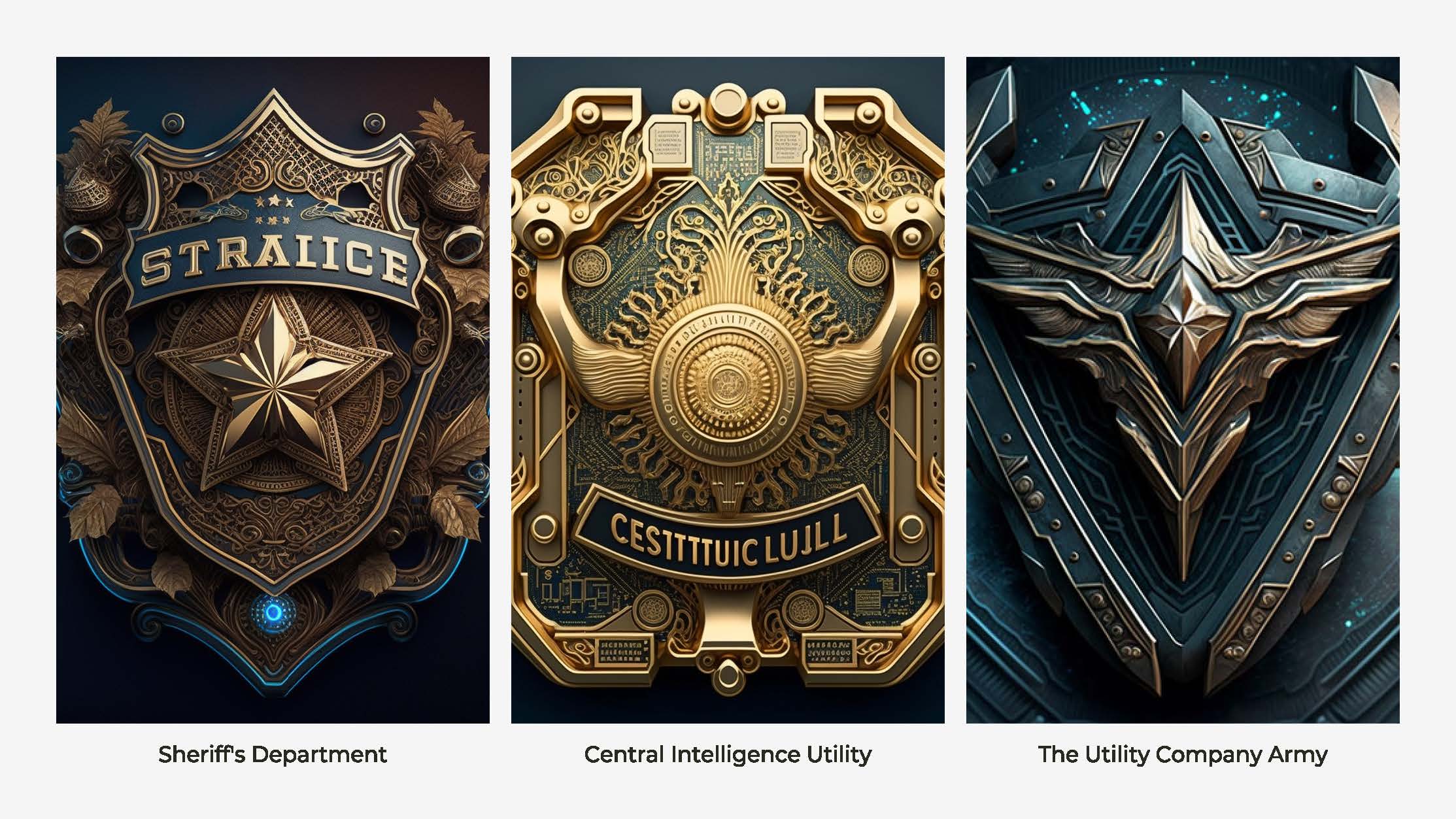
Why Leadership Transitions Matter
Here's an uncomfortable truth about organizations: they're mortal.
Not in the sense that they inevitably die—but in the sense that the people who compose them change. Founders move on. Veterans burn out. Life circumstances shift. The administrators who built this community won't run it forever.
This isn't pessimism—it's realism. And communities that plan for transitions survive them. Communities that don't? They often don't.
The Utility Company Discord takes leadership transitions seriously. Elections and succession planning aren't bureaucratic formalities—they're existential infrastructure. They ensure that when key people step back, the community doesn't step back with them.
This chapter covers how we approach elections, how we prepare for succession, and the principles that guide both.
Elections: Democratic Legitimacy
Administrative factions in The Utility Company Discord operate with electoral components. This isn't just about picking who's in charge—it's about legitimacy.
When leaders are elected, they govern with a mandate from the community. Their authority comes from below, not just from above. This changes everything: how decisions are made, how they're received, and how much trust they command.
Elections also serve as feedback mechanisms. If community members are unhappy with leadership direction, elections provide a structured way to express that. No revolution required—just votes.
The process isn't a mirror of national elections. Online community governance has different needs and constraints. But the core democratic principles apply: meaningful choice, fair process, respect for outcomes.
Elections matter. They're one of the ways we stay accountable to the community we serve.
Succession: Planning for Tomorrow
Elections handle scheduled transitions. But what about the unscheduled ones?
People leave unexpectedly. Health issues. Life emergencies. Burnout. Conflicts. Sometimes you get warning; sometimes you don't. Without succession planning, sudden departures create vacuums that destabilize everything.
Good succession planning means identifying potential future leaders *before* you need them. Developing their skills. Documenting institutional knowledge. Creating systems that don't depend on any single person.
It means honestly assessing single points of failure: what collapses if this one person disappears? Then addressing those vulnerabilities systematically.
It also means creating a culture where transition is normalized—where stepping back isn't failure, where new leadership is exciting rather than threatening, where the organization genuinely transcends its current members.
Succession planning is a quiet discipline. You don't see it working until you need it. And by then, you're very glad someone did the work.
What Makes a Good Leader
Not everyone should be an administrator. When selecting or electing leaders, certain qualities matter more than others.
Deep community investment — The best leaders are people who genuinely care about this place. Not as career advancement. Not as ego gratification. But because the community matters to them.
Track record of contribution — Talk is cheap. Who has actually done things that made the community better? Prior actions predict future actions.
Good judgment under pressure — Leadership means making decisions when there's not enough information and stakes are real. Who stays calm, thinks clearly, and decides wisely?
Communication skills — Leaders who can't communicate effectively cause problems. Can they explain decisions? Listen to feedback? Navigate difficult conversations?
Collaborative orientation — Lone wolves rarely make good community leaders. The work requires partnership, compromise, and genuine respect for others' expertise.
Commitment to fairness — Will they play favorites? Pursue vendettas? Or genuinely try to do right by everyone, even people they don't personally like?
Humility and learning orientation — Nobody starts with all the answers. Leaders who admit mistakes and adapt based on feedback outperform those who don't.
These criteria guide both electoral campaign discussions and succession planning pipelines. We're looking for the same things, regardless of how people reach leadership.
Running Fair Elections
An election is only meaningful if it's fair. Here's how we try to ensure that:
Clear timelines — Everyone knows when nominations open, when voting starts, and when results are announced. No surprises.
Equal information access — All candidates get the same opportunities to present their platforms. No one gets preferential visibility.
Neutral administration — The election is run by people who don't have stakes in the outcome. No candidates managing their own election.
Transparent eligibility — The requirements for candidacy are public and applied consistently. No one gets rejected on secret criteria.
Secret ballots — Votes are private. Nobody should face pressure or retaliation for their choices.
Accurate counting — Every vote is counted. The process is documented enough to be verified.
Dispute resolution — If concerns arise about fairness, there's a process for addressing them. Not ignored, not handwaved—actually addressed.
These standards aren't always perfectly achieved. We're running elections in a Discord server, not a nation-state. But we take fairness seriously, and we try to improve each cycle.
Succession Challenges
Let's be honest: succession planning in online communities is hard. Several factors make it particularly challenging:
Fluid participation — People's involvement fluctuates. Someone highly engaged today might disappear tomorrow. Predicting long-term availability is genuinely difficult.
No formal authority — Unlike corporations, we can't require people to document their work, create transition plans, or stay long enough to train replacements. Everything is voluntary.
Implicit knowledge — So much of what experienced administrators know is tacit—learned through experience, never written down. Transferring this knowledge is harder than transferring procedures.
Personal relationships — Often, effectiveness comes from relationships that individuals have built. These don't transfer automatically to successors.
Burnout timing — People often leave when they're most burned out—which is also when they're least able to plan careful transitions. The departure energy isn't conducive to documentation energy.
Acknowledging these challenges doesn't solve them. But it helps us work on them realistically rather than pretending succession planning is straightforward.
Best Practices We Try to Follow
Despite the challenges, some practices help:
Leadership development programs — Actively identifying and developing people who show leadership potential. Mentorship. Gradual expansion of responsibility. Exposure to different functions.
Clear criteria for advancement — What does it take to move from member to moderator to senior roles? Transparency about paths creates opportunity.
Cross-training — Multiple people who understand how each critical function works. No single points of failure.
Documentation culture — Writing things down. Procedures, decisions, rationales, context. Institutional memory that survives individual departures.
Alumni relationships — Former administrators who left on good terms and remain available for consultation. Institutional knowledge that persists outside current staff.
Regular succession reviews — Periodically considering: if this person left tomorrow, what would break? Then addressing vulnerabilities proactively.
Transition periods — When departures are foreseen, structured handoffs with overlap time. Incoming leaders working alongside outgoing ones.
None of these practices is revolutionary. The revolution is actually doing them consistently.
The Future of Our Governance
Looking ahead, we see continued evolution in how The Utility Company Discord handles leadership transitions.
Elections will become more sophisticated as we learn what works. Better candidate forums. Better voter information. Better integration with community feedback beyond election cycles.
Succession planning will become more institutionalized. Not dependent on individual initiative, but embedded in how we operate. Regular attention, not just crisis response.
Mentorship and development programs will expand. More people deliberately cultivated for leadership. Bigger bench strength. More resilient organization.
Transparency about our governance will increase. More visibility into how decisions are made, who makes them, and how they got there.
And always: staying oriented toward the community. Elections and succession exist to serve the members. When governance forgets that, it's failed regardless of how well-designed the processes are.
We're building something meant to last. These systems are part of that construction.
"Leadership is a privilege, bestowed by the people.
Conclusion: Promoting Stability and Order in Discord Communities
A Vision for the Future
Talk to Each Other (Really)
If there's one thing that separates thriving communities from struggling ones, it's communication. Not just *having* channels—everyone has channels—but *using* them well.
Clear communication means different things in different contexts. Sometimes it means dedicated spaces for specific purposes, so conversations don't get lost in noise. Sometimes it means explicit decisions about what gets communicated publicly versus privately. Sometimes it means training administrators to write clearly, listen actively, and translate between different stakeholder perspectives.
What it always means: intentionality. Communication doesn't happen accidentally. You design for it. You create structures. You reinforce habits. You make it easy to do the right thing.
The Utility Company Discord invests in communication infrastructure not because it's glamorous but because everything else depends on it. When communication breaks down, trust breaks down. When trust breaks down, community breaks down.
So we keep building the muscle. More clarity. More connection. More shared understanding.
Rules That Actually Work
Rules are easy to write, hard to enforce, and harder still to make actually work.
Effective community guidelines share certain qualities. They're clear enough to understand but principled enough to handle edge cases. They're enforced consistently but not mechanically. They evolve as the community evolves.
Most importantly, they're *internalized*. The goal isn't a community where everyone's afraid of getting caught. It's a community where people genuinely understand and embrace the norms—where good behavior flows from shared values rather than fear of punishment.
Getting there requires ongoing effort. Rules need to be explained and re-explained. The *reasoning* matters as much as the requirements. When people understand why a norm exists, they're more likely to respect it.
Enforcement matters too. Rules without consequences aren't really rules. But enforcement should educate as much as punish. The goal is helping people do better, not just making examples of them.
Communities that get this right create self-regulating cultures. Those that don't are stuck in endless whack-a-mole.
The Art of Moderation
Active moderation isn't just rule enforcement—it's community gardening. And like gardening, it requires both attention and restraint.
Good moderators are visible enough to matter but not so omnipresent that they stifle organic interaction. They intervene early in conflicts but don't refuse people the opportunity to work things out themselves. They enforce standards while remaining compassionate about human imperfection.
The best moderators make the job look easy. It isn't. Behind every "seamless" community experience are countless small decisions, interventions, and judgment calls. Moderators absorb stress so members don't have to experience it.
This work is exhausting. Burnout is real. Sustainable moderation requires rotating responsibilities, genuine appreciation, and organizational support. Communities that burn through moderators eventually run out.
The Utility Company Discord tries to do this right. We invest in our moderators because we understand what they give us. And we're always looking for better ways to support them.
Everyone Owns This
Ultimate community health doesn't come from administrators—it comes from members. All the administrative infrastructure in the world can't compensate for a member base that doesn't care.
Fostering ownership means creating genuine opportunities for input. Not fake consultation where decisions are already made—real influence over direction. When members see their ideas implemented, their feedback integrated, their concerns addressed, they start to feel like partners rather than customers.
It means celebrating contributions. Not just major accomplishments but the small, steady work that keeps communities running. Consistency deserves recognition.
It means building shared experiences. Events that create memories. Inside jokes that only community members understand. Traditions that mark time together.
And it means being honest about limitations. Administrators aren't all-powerful. The community is a collective project. Shared ownership means shared responsibility—including responsibility for the parts that aren't perfect.
When members feel genuine ownership, they defend the community against toxicity, welcome newcomers thoughtfully, and contribute without being asked. That's the goal. That's what we're building toward.
Technology as Enabler
Tools won't save a broken community, but they can amplify a healthy one.
The Utility Company Discord uses technology strategically. Bots handle routine tasks that would otherwise consume human attention. Tracking systems surface patterns that individual moderators might miss. Analytics inform decisions that would otherwise be guesswork.
But technology has limits. Automated systems catch obvious violations; they miss nuance. Metrics measure what's measurable; important things often aren't. Tools enhance human judgment; they can't replace it.
The right approach: identify what humans do best, identify what machines do best, and optimize allocation accordingly. Human attention for judgment calls, relationship building, and creative problem-solving. Machine attention for volume processing, pattern matching, and repetitive tasks.
We're constantly evaluating new tools and refining how we use existing ones. The technology landscape evolves; our toolkit should evolve with it. But always in service of the underlying mission—never letting tools become ends in themselves.
Listening Is a Discipline
Every community collects feedback. Few communities actually listen.
Listening means more than setting up suggestion boxes. It means creating psychological safety for honest input. Many communities don't hear criticism because members don't feel safe offering it. The first step is creating conditions where genuine feedback can happen.
Listening means following up. When someone suggests something, they should know what happened. Even if the answer is "we considered it and decided not to"—that's still an answer. Silence teaches people to stop suggesting.
Listening means considering input even when you disagree with it. Sometimes feedback is wrong. But even wrong feedback often contains information. Why do people believe this? What would make it seem true? The perception is real even if the conclusion isn't.
And listening means changing based on what you hear. If feedback never results in changes, why are you collecting it? The purpose of listening is adaptation. Communities that listen and adapt are communities that improve.
The Utility Company Discord maintains multiple feedback channels precisely because we believe in this. Your voice matters. We're trying to hear it.
Transparency Isn't Optional
Trust requires transparency. There's no way around this.
Transparency means explaining decisions. Not just announcing what happened, but why. The reasoning. The tradeoffs. The alternatives considered. When people understand how decisions are made, they can assess whether decisions are good.
Transparency means admitting mistakes. Nobody's perfect. Organizations that pretend otherwise lose credibility. Organizations that acknowledge errors and learn from them build credibility through honesty.
Transparency means visibility into process. How are decisions made? Who makes them? What's the chain of accountability? Members should be able to answer these questions without insider knowledge.
Transparency doesn't mean total public access to everything. Some matters genuinely require confidentiality. But default to openness. Exceptions should be exceptions, not the norm. And when confidentiality is necessary, saying "we can't discuss this for privacy reasons" is itself a form of transparency—honesty about limits.
The Utility Company Discord operates in the open as much as possible. We believe the benefits of trust and accountability outweigh the occasional awkwardness of public scrutiny.
Never Done Learning
If there's one thing administering communities teaches you, it's humility. You don't know everything. Your systems aren't perfect. The situations you haven't seen yet will teach you things the situations you have seen didn't.
Continuous improvement means regular review. What's working? What isn't? What could work better? These questions shouldn't wait for crises—they should be routine.
It means tracking outcomes. When you make changes, do they have the effects you intended? If not, why not? Data-informed iteration beats intuition alone.
It means learning from others. The Utility Company Discord isn't the only community in the world. Others have tried things. Some have failed instructively. Some have succeeded in ways we could emulate. Humility means learning from peers.
And it means embracing evolution. The community you're running today isn't the community you'll be running in a year. Members change. Platforms change. Culture changes. Administrative systems should change too.
We're not done improving. We never will be. That's not failure—it's the nature of living systems.
Technology as Multiplier
Automation and tooling earn another mention because they're genuinely transformative when used well.
Consider the mundane: role assignment, welcome messages, automated responses to common questions. Each saved interaction frees human attention for things only humans can do. Compound these savings across thousands of interactions, and the impact is substantial.
Consider the strategic: pattern detection that catches coordinated attacks before they fully develop. Analytics that reveal community health trends. Documentation systems that prevent institutional knowledge loss.
The organizations that figure out technology best don't ask "what can we automate?" They ask "what activities are highest-leverage for human attention, and how do we protect time for those?" The answer usually involves automating everything else.
The Utility Company Discord is still learning this. We're better than we were; we're not as good as we could be. But we're committed to the direction. Technology in service of community. Machines amplifying what humans do best.
Celebrating Each Other
Finally, don't forget to celebrate.
Community administration can be heavy. Constant attention to problems skews perception toward negativity. The conflicts are visible; the smooth functioning is invisible.
Intentional celebration counters this. Recognizing contributions reminds everyone that good things happen here. Celebrating milestones creates shared positive experiences. Appreciation reinforces the behaviors you want to see.
This isn't about performative positivity—nobody needs forced enthusiasm. It's about accurate perception. The community isn't all problems. Most of what happens here is good. Celebration is just honest acknowledgment.
The Utility Company Discord tries to recognize and appreciate its members. Not perfectly—there's always more appreciation deserved than delivered. But the intention is genuine. This community exists because people contribute to it. Those contributions deserve recognition.
So thank you. For reading this far. For caring about community. For whatever role you play in making this place work. It matters. And we're glad you're here.
"Stability is the soil in which community grows.
A whitepaper by
The Utility Company
Establishing the framework for a secure, prosperous, and self-reliable future.
Return to Home